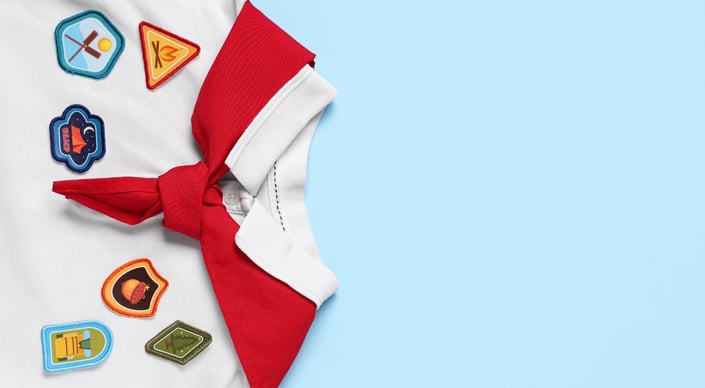
Product gamification technology is one of the simplest ways to keep customers engaged after purchase, because it turns “I’ll get to it later” into “I can knock out one quick step today.” When you tie badges and streaks to real progress, customers feel momentum instead of pressure. That matters most in the first few weeks after unboxing, when curiosity is high but routines are not set yet.
At BluStream, we think about this through the ownership journey: Unboxing, Usage, Care and Maintenance, and Upsell/Renewal. In the sections below, you’ll see how to gamify product usage without making it cheesy, where teams accidentally go off the rails, and how to build a Product Experience (PX) that feels more like coaching than “points for points’ sake.”
Product Gamification Technology: What It Is (and What It Is Not)
Product gamification technology is the practice of borrowing game mechanics, like badges, streaks, progress bars, and light challenges, and using them inside your product experience to reinforce behaviors that help customers win. Not “win” in an abstract way. Win as in: they set it up correctly, they understand the core workflow, they avoid preventable issues, and they stick with it long enough to get the outcome they paid for.
The part people often miss is intent. You are not sprinkling in fun to distract from value. You are making value easier to reach and easier to notice. That is why the best gamification designs are specific, measurable, and directly connected to customer outcomes. You can get a solid overview of common gamification mechanics and where they tend to work well in UXmatters’ gamification techniques overview.
Why Product Gamification Technology Helps After Purchase
After purchase, drop-off is rarely a dramatic “this product is terrible” moment. More often, it is everyday friction. A customer gets busy. They forget. They hit a snag and do not want to dig through a help center. Or they are not sure what a “good routine” looks like.
Gamification gives you a way to gently answer the question customers are already asking, even if they never say it out loud: What should I do next? Done well, badges and streaks make the next step feel doable, and they make progress visible. That visibility is powerful. It is also measurable, which helps your team spot disengagement early instead of waiting for churn or returns to show up.
How to Gamify Product Usage With Badges (Without Cheapening the Experience)
Badges work when they feel earned and when they mean something. The quickest way to ruin badges is to hand them out for things customers do not care about, like “opened the app three times.” That is a badge nobody is proud of.
Instead, start with one question: What does “success” look like for your customer 30 days after purchase? Then turn the steps to get there into milestones that feel natural.
- Activation badges for the first setup wins (example: “Set Up Complete,” “First Use,” “Device Connected”).
- Confidence badges for learning the basics (example: “Finished the 3-minute walkthrough,” “Tried Feature X,” “Saved your first preset”).
- Outcome badges for meaningful value moments (example: “First result logged,” “Routine completed for 7 days,” “First maintenance check done”).
One practical rule: if you cannot explain what a badge unlocks for the customer, it probably should not exist. Sometimes the unlock is emotional, like “I know what I am doing now.” Sometimes it is functional, like access to a more advanced tip, a new routine, or a personalized recommendation.
Product Gamification Technology and Streaks: A Habit Builder You Need to Handle Carefully
Streaks are the habit engine inside product gamification technology. People keep streaks alive because they do not want to lose progress, and because consistency starts to feel like identity. That said, streaks can also backfire if they feel like a guilt trip.
If you want streaks that feel supportive, build them around two things: a small action that creates real value, and flexibility for real life. Behavioral science backs up the idea that small, repeatable actions can turn into habits when they are tied to consistent cues and rewards. You can explore the basics in the American Psychological Association’s overview of how habits form.
Here is what we recommend when you design a streak:
- Pick a minimum viable action. On busy days, customers should still be able to “keep the chain” with something that matters, like a 60-second check-in, a simple usage log, or a quick care step.
- Build in grace. A pause token, a make-up day, or a “two out of three days” rule keeps the streak helpful instead of punishing.
- Celebrate with guidance, not pressure. Your message should sound like coaching: “Nice, you are building a rhythm. Want the next tip?” Not: “Do not break your streak.”
A Simple Ownership-Journey Map for Badges and Streaks
If you want engagement that actually lifts retention, tie your mechanics to the ownership journey. Different phases call for different nudges. Unboxing is about confidence. Usage is about rhythm. Care and Maintenance is about prevention. Upsell/Renewal is about helping customers get more value without feeling like they are being pushed.
| Ownership phase | What your customer wants | Where gamification helps | Example |
|---|---|---|---|
| Unboxing | Get started without second-guessing | Badges + simple progress tracking | “Set Up Complete” after finishing 3 onboarding steps |
| Usage | Build a repeatable routine | Streaks + small challenges | “5-Day Starter Streak” for daily check-ins or usage logs |
| Care and Maintenance | Avoid issues and extend product life | Reminders + maintenance badges | “Maintenance Pro” for completing monthly care steps |
| Upsell/Renewal | Keep progressing and get more value | Tiered milestones that unlock next-best steps | “Level Up” milestone that triggers a personalized recommendation |
One note we always push: instrument everything. Every badge and streak should map to a behavior you can measure and a value moment you can defend. If you cannot connect the mechanic to something you would want customers doing anyway, it is noise.
How BluStream PX and Polly Help You Run Gamified Product Experience (PX) Without Feeling Spammy
Badges and streaks are easy to sketch on a whiteboard. The harder part is making them land at the right moment for the right person, across the channels customers actually use. That is why we built the BluStream Product Experience Platform (BluStream PX). It helps you stay connected after purchase with personalized dialogues across SMS, email, WebChat, and WhatsApp.
With Polly, your product’s AI Advisor, you can turn gamified moments into conversations that feel like help, not hype. If a customer is stuck during setup, Polly can guide them step by step. If they are building a routine, she can recommend the next small win. If something looks like a real issue, Polly escalates to human support when needed instead of pretending AI can solve everything.
Two pieces make this responsible and brand-safe:
- Polly’s Vault, so guidance stays grounded in your product knowledge, policies, and brand voice.
- Approved conversation guidelines, so you control when dialogues trigger, what “next steps” look like, and when to escalate.
If you want to see how journey logic can be structured, take a look at the Polly Journey Preview preview.
Common Mistakes: When Badges and Streaks Backfire
Gamification is not a shortcut for weak value. If customers do not feel the product helping them, badges become decoration. If streaks are designed like a guilt loop, customers disengage or start ignoring you.
Before you ship anything, pressure-test it with a few blunt questions:
- Does this reinforce a behavior customers already want? If not, it will feel hollow.
- Is the “win” tied to value? Favor outcomes, learning, and prevention over clicks or time spent.
- Does it respect well-being? Encourage healthy routines and give customers control over reminders.
- Can beginners and power users both succeed? If the same milestone applies to everyone, it will fit no one.
If you want a broader set of patterns for keeping customers engaged across the lifecycle, our post on strategies for using products to stay connected to your customers pairs nicely with the gamification approach.
Getting Started: A Realistic 30-Day Rollout Plan
You do not need a giant “gamification overhaul” to see impact. Start with one phase, usually Unboxing and early Usage, because that is where small wins prevent drop-off.
- Week 1: Define success behaviors. Pick 3 to 5 actions that correlate with long-term retention, like completing setup, reaching the first outcome, or finishing a care step.
- Week 2: Design 3 badges and 1 streak. Keep the mechanics simple and make sure each one maps to a real customer benefit.
- Week 3: Write dialogues that guide, not nag. Add tips, shortcuts, and “if you are stuck, do this” help based on where customers usually drop.
- Week 4: Measure and refine. Watch completion rates, where streaks break, support volume for common issues, and early retention signals.
FAQ: Product Gamification Technology, Badges, and Streaks
- What is product gamification technology?
Product gamification technology uses game mechanics like badges and streaks to make product interactions easier to repeat and easier to measure, so customers build habits and get more value after purchase. - How do you gamify product usage without annoying customers?
You gamify product usage by rewarding meaningful progress, keeping actions small and useful, and personalizing timing and difficulty. Badges should mark real milestones. Streaks should include flexibility so they feel supportive. - Are streaks ethical to use?
They can be. Keep streaks tied to customer benefit, avoid fear-based language, and offer options like pauses or make-up days. The goal is consistency that improves outcomes, not compulsive check-ins. - What metrics should you track to know if gamification is working?
Track leading indicators like activation rate, routine frequency, feature adoption, care task completion, and streak continuation. Pair those with lagging indicators like repeat purchase rate, renewal rate, churn, and support volume for common issues. - How can BluStream help you run gamified experiences after purchase?
BluStream PX helps you deliver personalized dialogues across the ownership journey, and Polly, your product’s AI Advisor, guides customers toward milestones with contextual help while escalating to humans when needed. If you want to talk through your journey and goals, you can contact BluStream sales.
Conclusion
Badges and streaks are only a gimmick when they are disconnected from real progress. When you use product gamification technology to guide customers through Unboxing, Usage, Care and Maintenance, and Upsell/Renewal, you make it easier for them to build confidence, stick with healthy routines, and see the value they bought. Start small, measure what matters, and keep the tone helpful. That is how you turn “I should use this” into a habit that lasts.